From idea to $11.3B fintech — scaling a business & brand.

NEWITY, an SBA loan servicer, entered a period of unprecedented growth, moving from a tightly scoped fintech product to a platform serving hundreds of thousands of small businesses. With growth came significant challenges: onboarding was riddled with friction, user experiences varied wildly from partnership to partnership, iteration was slowed by the lack of consistent patterns and tooling, and compliance requirements often clashed with the need for speed.
We were tasked with guiding NEWITY through initial business modeling and go to market strategy, through their brand evolution and complete product experience. Early in the businesses lifecycle our team established the need for a more ideal product experience, one which supported scale while maintaining trust and compliance.
Role
Creative director
Strategic advisor
Product design lead
Scope
Brand & design system
Operations design
Software UX/UI
Web design & dev
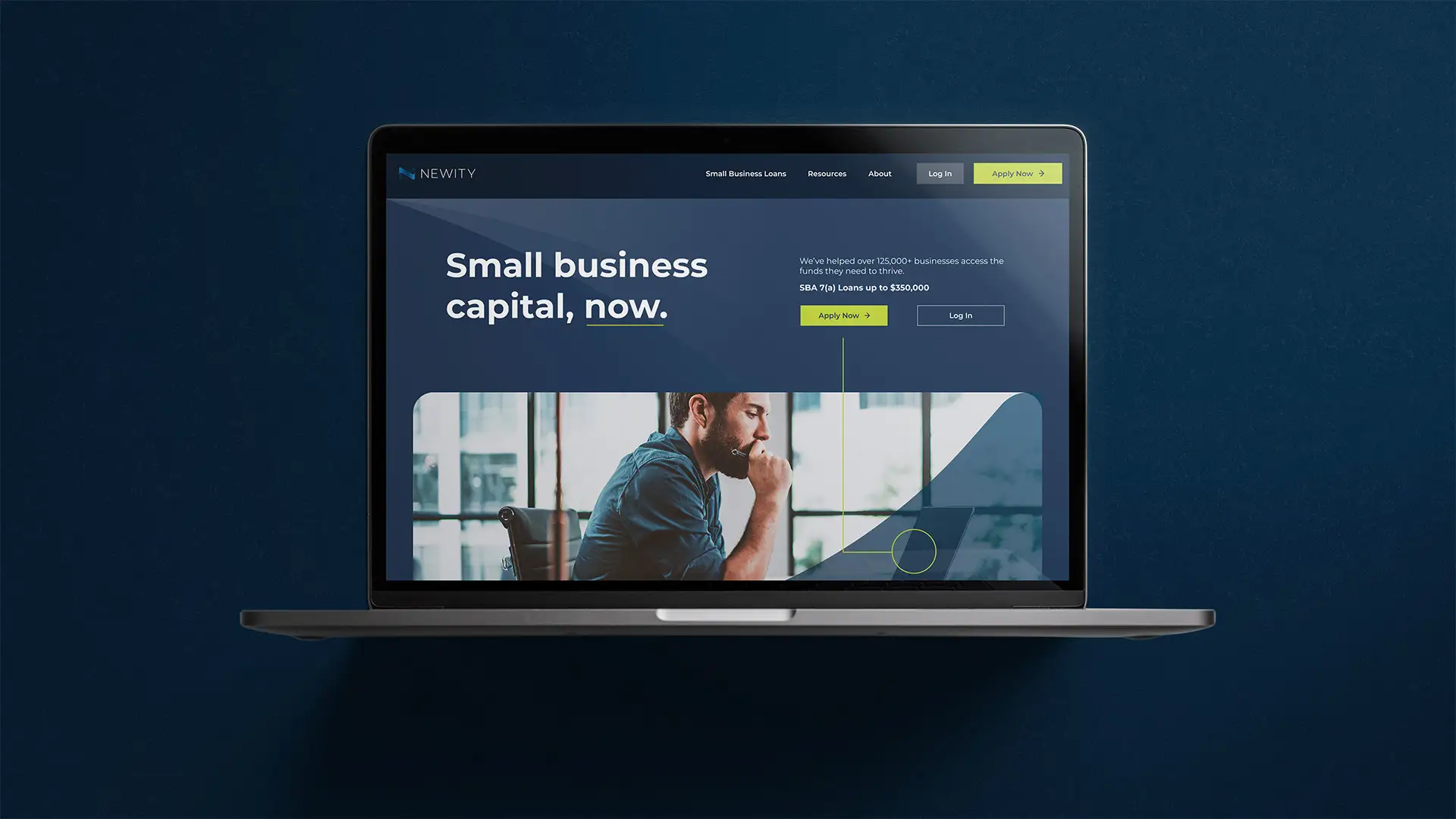

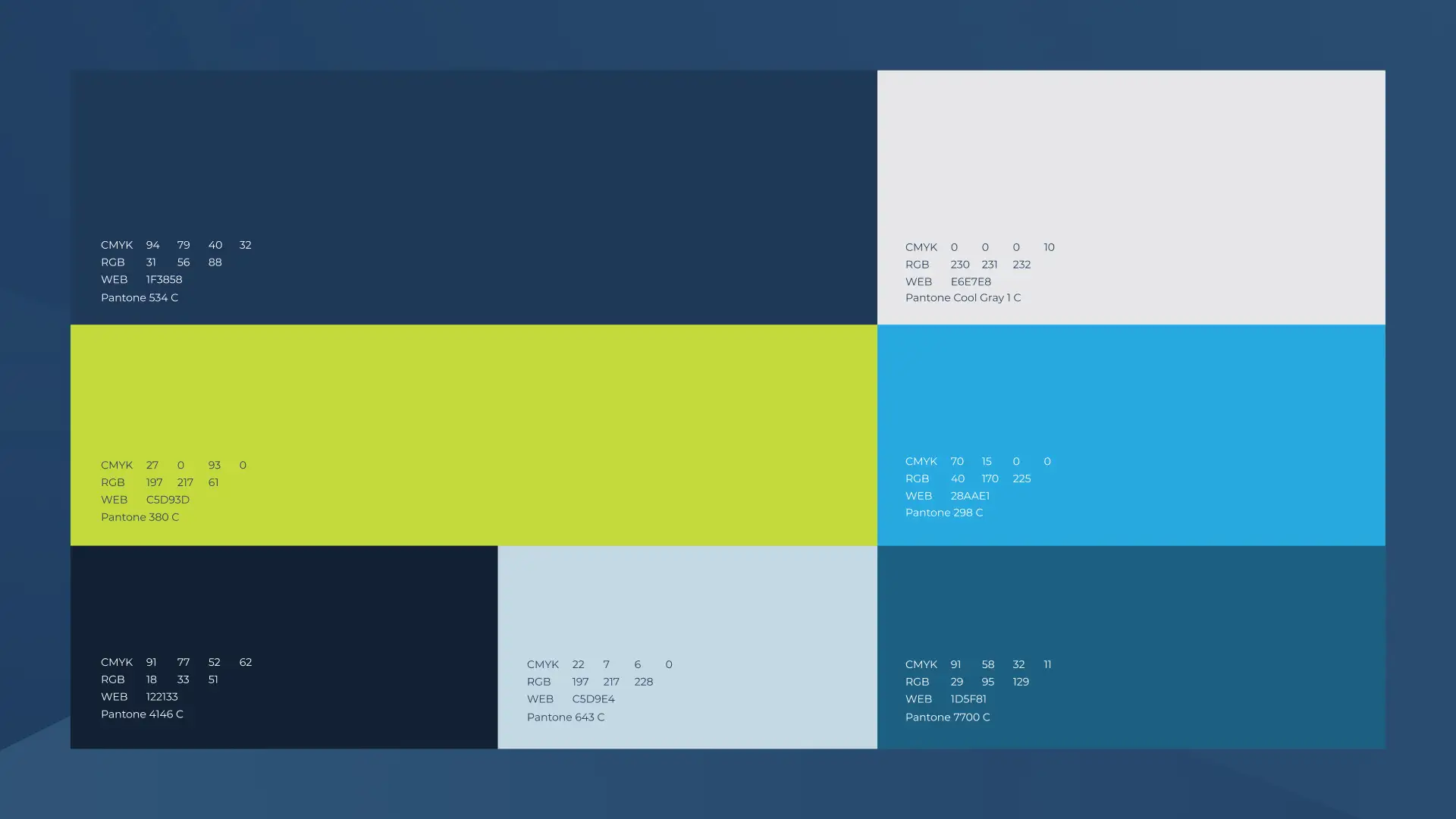
Our team engaged at both tactical and strategic levels. On the ground, we redesigned onboarding and transaction flows to reduce friction and build user confidence. At the strategic level, we established a modular design system, embedded analytics hooks into components, and created frameworks that allowed leadership to make decisions balancing growth with compliance.
Collaboration was central, we worked directly with UX researchers, an engineering partner, product managers, data analysts, and compliance experts. Alongside delivery, we helped shape a hiring roadmap to expand NEWITY's internal capacity, ensuring the practice could scale with the company.

The work unfolded in a series of interconnected phases that allowed us to move quickly without sacrificing depth.
We started with discovery, facilitating workshops with leadership, compliance and support teams to surface key opportunities and constraints. We then conducted an analytics audit to pinpoint major drop-off points and paired that with interviews of both new and churned users to understand pain points firsthand. In parallel, we mapped existing internal systems and public-facing user flows to define more ideal software functionality. All of these insights were synthesized into a single journey map that traced the customer experience from initial awareness through long-term advocacy.
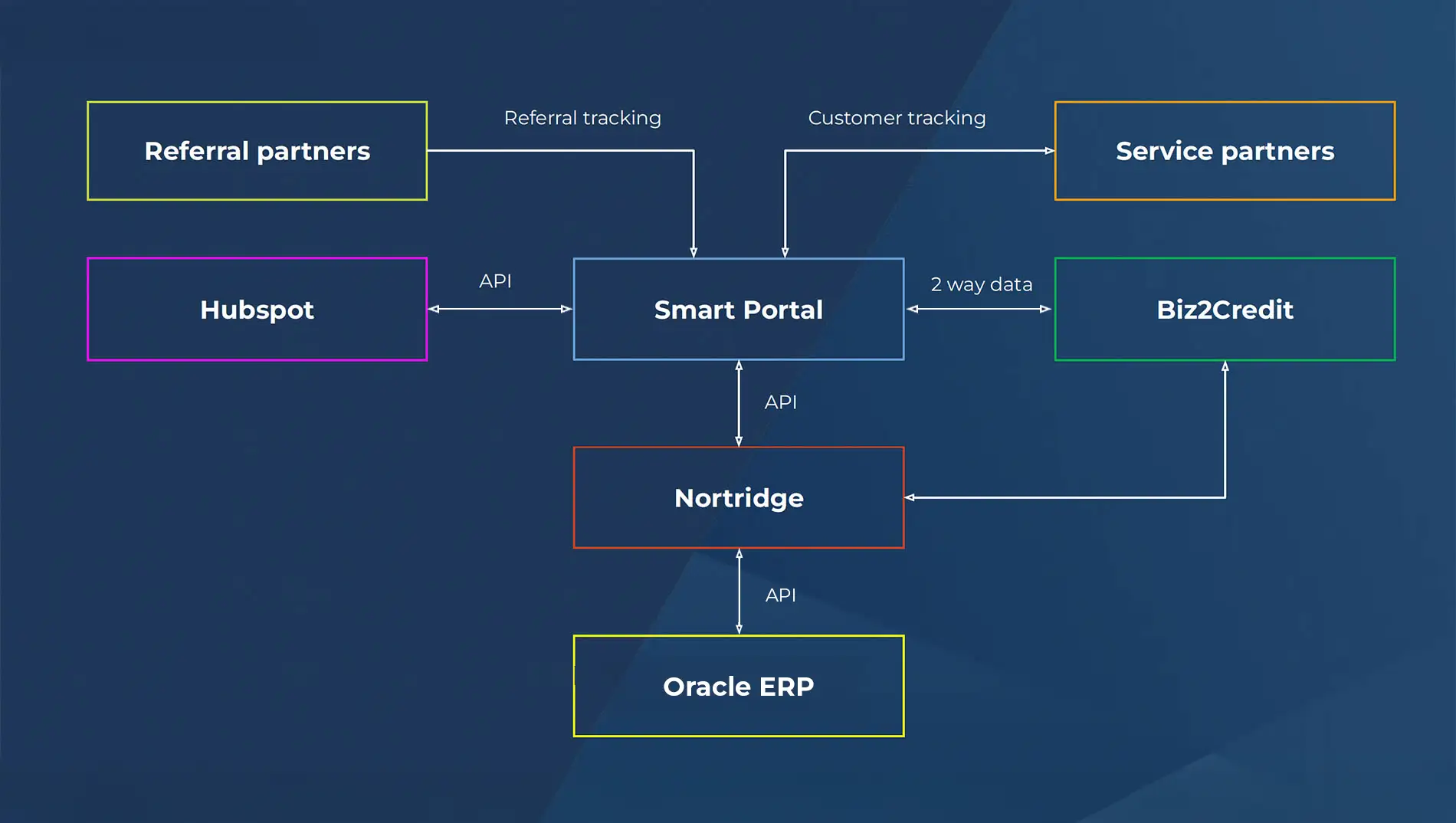

From there, we framed the strategy. We presented leadership with three paths forward: an MVP-first approach to deliver immediate wins, a platform-first approach to build long-term flexibility, and a compliance-first approach to harden verification from the outset. Ultimately, we recommended a hybrid strategy, deliver immediate improvements to onboarding while quietly laying the foundation for a scalable system.
Design execution focused on making the experience trustworthy, fast, and clear. Onboarding was restructured into three progressive steps: identity, verification, and activation. Each step is supported by copy and imagery that reassured users while meeting compliance requirements. We developed prototypes for verification flows, dashboards, and transaction journeys, and established a component library with accessibility built in from the start. Engineers were brought into pairing sessions to collapse the gap between design and development.
Validation and iteration were continuous. We tested prototypes with users, ran A/B experiments on copy and flow design, and instrumented funnels to measure conversion, activation speed, and support volume. Every decision was informed by data, whether quantitative or qualitative.
Once validated, features were released in phases with our engineering partner, while operations and support teams were equipped with playbooks to handle edge cases. Our team led user acceptance testing for each sprint and applied those learnings to inform subsequent development. Our design ecosystem gave the engineering team real-time access to detailed annotations, specifications and system-ready components.
This way of working enabled exceptional speed as we onboarded partners like KPMG, allowing us to ingest complex information schemas and translate them into interfaces that were relevant and intuitive for our user base.

NEWITY scaled to $11.3B in a single year.
Design played a central role in enabling that growth. Onboarding completion rates climbed as friction dropped, while the time it took for users to complete their registration and servicing obligations fell dramatically thanks to clearer guidance and activation flows. Support tickets declined after we introduced better error handling and inline help. And the introduction of a lightweight design system transformed velocity: what once took weeks to deliver could now be produced in hours.


© 2026 Pete Duncan